Summer 25% discount on all last year's products home decor


12 Beginner Sewing Projects That Will Make You Fall in Love with Crafting!


Sewing has a way of drawing you in with its charm and creativity, and let’s be honest, it’s hard not to get excited about the endless possibilities it offers. If you’ve ever felt a pull towards crafting or just wanted to try something new, you’re not alone. Many of us have stumbled upon that urge, and I decided to put together a list of beginner sewing projects that will not only teach you the basics but also ignite your love for crafting.
This post is perfect for those who have never sewn a stitch or those who have dabbled a bit but need some inspiration. If you are someone who enjoys hands-on activities, loves to create, or dreams of making personalized items for yourself or loved ones, you’re going to find joy in these projects. You’ll discover a variety of fun and easy projects that are satisfying to make and can even double as gifts.
Get ready to dive into twelve beginner sewing projects that are simple yet rewarding. Whether you want to make cozy pillow covers or handy reusable snack bags, this guide will provide you with the tools and tips you need to get started. Each project is designed to boost your confidence in sewing while adding a personal touch to your life. Let’s stitch our way to a world of creativity!
Key Takeaways
– Learn the basics: Each project will introduce you to fundamental sewing techniques, making it easier for you to tackle more complex designs later on.
– Variety of projects: You’ll find a mix of practical items, like reusable snack bags, and fun decor, like fabric bunting, to keep your crafting experience enjoyable.
– Step-by-step guidance: Each project includes clear instructions and tips to ensure your sewing experience is smooth and stress-free.
– Gift ideas: Many of these projects can be made as thoughtful gifts, adding a personal touch to any occasion.
– Confidence building: Completing these beginner projects will help you gain confidence and inspire you to explore even more creative sewing adventures.
1. Simple Tote Bag
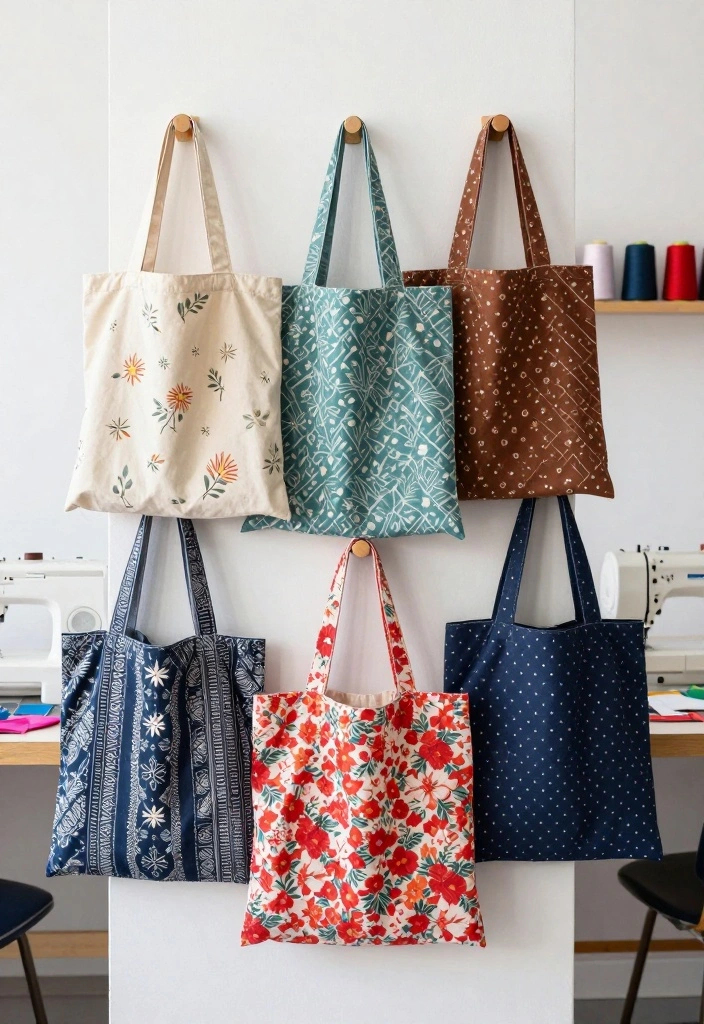
Kick off your sewing adventure with a simple tote bag! This project is fantastic for beginners, requiring just a yard of fabric and basic skills. You can choose fun prints or solid colors to express your style, making it a versatile accessory for carrying books, groceries, or crafting supplies.
Start with cotton fabric for easy sewing and a sturdy finish. Feel free to add pockets for organization or embellishments like patches to showcase your personality.
Key ingredients to gather:
– 1 yard of fabric (cotton or canvas)
– Matching thread
– Scissors
– Sewing machine
– Pins
– Iron
Follow these simple steps:
1. Cut two rectangles of fabric, each 14″ x 16″ for the bag body.
2. Cut two strips of fabric, each 4″ x 24″ for the handles.
3. Fold down the top edge of each rectangle and sew to create a hem.
4. Pin and sew the side seams of the bag, leaving the top open.
5. Fold the handle strips in half lengthwise and sew along the edge.
6. Attach the handles to the top of the tote bag and secure them with stitches.
7. Turn the bag inside out, press it, and you’re finished!
This simple tote bag project promises to ignite your passion for sewing while providing a practical item you can use daily!
How To Choose The Right Fabric for Beginner Sewing Projects
Choosing the right fabric is crucial for your beginner sewing projects. The right fabric can make the difference between a successful project and a frustrating experience. Here’s how to select the best fabric to get you started on your sewing journey.
1. Fabric Type
Consider what type of fabric you want to use. Common choices for beginners are cotton, linen, and fleece. Cotton is versatile and easy to sew, making it a great choice for projects like tote bags and pillow covers. Linen is breathable and perfect for summer garments, while fleece is soft and warm, ideal for cozy items like blankets or hand warmers.
2. Weight
The weight of the fabric matters significantly. Lighter fabrics, like cotton lawn, are easier to work with for small projects. Heavier fabrics, like denim or canvas, can be more challenging but are suitable for sturdy items like bags and aprons. Check the fabric label to find the weight, typically measured in grams per square meter (gsm) or ounces per square yard.
3. Pattern and Color
Choose a pattern and color that reflects your personal style and the project you are making. Solid colors are great for beginners because they are easy to match and won’t distract from your sewing skills. If you choose patterned fabric, pick designs that are not too complex to make your sewing process smoother.
4. Washability
Make sure to consider how the fabric will behave after washing. Some fabrics shrink or lose color after washing, so look for pre-washed or pre-shrunk fabrics. Cotton is generally machine washable and will hold its color well, while some specialty fabrics like silk may require hand washing.
5. Cost
Budget plays a big role in your fabric selection. As a beginner, you might want to start with affordable fabrics until you build confidence. Look for fabric stores offering deals or consider checking out remnant bins for discounted pieces. Remember, the more you practice, the more you’ll want to invest in higher-quality materials!
6. Availability
Check the availability of the fabric you choose. Some specialty fabrics may not be readily available at your local craft stores. If you find a fabric you love online, make sure to order a little extra to account for mistakes or adjustments during your sewing.
Pro Tip: Always get a swatch of fabric before purchasing a larger cut. This way, you can test how it feels, looks, and behaves when sewn. Familiarizing yourself with different fabric types will greatly enhance your sewing skills!
By selecting the right fabric for your beginner sewing projects, you’ll set yourself up for success. Whether you’re making scrunchies, travel bag tags, or cozy pillow covers, the right fabric will make the process enjoyable and rewarding. Happy sewing!
2. Cozy Pillow Covers

Spruce up your home with cozy pillow covers that are easy to make! This project is perfect for practicing basic sewing techniques while allowing for creativity. You can choose fabrics that match your decor, making it a quick way to refresh any room.
Try different shapes and sizes or even add buttons and zippers for extra flair! Mixing patterns can create a fun, eclectic vibe that adds personality to your space.
Gather these materials:
– Fabric (enough for two squares or rectangles, depending on pillow size)
– Matching thread
– Scissors
– Sewing machine
– Pins
– Measuring tape
Follow these steps to create your covers:
1. Measure your pillow and cut two pieces of fabric slightly larger than the pillow size.
2. Pin the fabric squares together with the right sides facing each other.
3. Sew around the edges, leaving a small opening to insert the pillow.
4. Turn the cover right-side out and insert the pillow.
5. Hand-sew the opening closed or use a sewing machine for a polished finish.
Your new pillow covers will add a stylish touch to your living space while showcasing your sewing skills!
Cozy Pillow Covers
Editor’s Choice




3. Fabric Bunting

Bring charm to your space with delightful fabric bunting! This fun project allows you to use fabric scraps, adding a festive touch to parties or children’s rooms. You’ll love the cheerful look of bunting strung up, and it’s a great way to practice sewing straight lines.
Select colorful fabrics that reflect your personality or match your theme. Mixing textures and patterns can create a playful atmosphere that brightens any occasion.
What you need:
– Various fabric scraps
– Bias tape or string
– Scissors
– Sewing machine
– Pins
Steps to create bunting:
1. Cut triangular shapes from your fabric scraps, each triangle about 6″ wide at the top and 8″ long.
2. Pin the triangles to the bias tape, leaving space between each one.
3. Sew along the top edge of the triangles to secure them to the bias tape.
4. Trim any excess fabric from the edges for a clean look.
5. Hang your bunting wherever you want to add some cheer!
This fabric bunting project is not only creative but also a beautiful way to brighten any space!
Fabric Bunting
Editor’s Choice


4. Scrunchies

Make trendy scrunchies that are perfect for using up small fabric scraps! This quick and beginner-friendly project allows you to create stylish hair accessories while practicing your sewing skills. You can craft them in various colors and patterns to match any outfit or gift to friends.
Scrunchies are back in style and are gentle on your hair, keeping it neat without damage. Choose soft, stretchy fabric like cotton or jersey for comfort.
Ingredients needed:
– 1/4 yard of fabric
– 1/4 inch elastic
– Scissors
– Sewing machine
– Pins
Follow these steps:
1. Cut a rectangle of fabric measuring 3″ x 22″.
2. Fold the fabric in half lengthwise, right sides together, and sew along the long edge.
3. Turn the fabric tube right-side out.
4. Cut a piece of elastic about 8″ long and thread it through the tube using a safety pin.
5. Sew the ends of the elastic together, then tuck the fabric ends inside and sew shut.
Your handmade scrunchies will be perfect for everyday wear or a fun night out!
Fun fact: A 1/4 yard of soft cotton or jersey scraps can yield several stylish scrunchies. Pro tip: For beginner sewing, cut fabrics in matching colors and stitch with a zigzag for quick, durable results. Start now, and you’ll create gift-worthy accessories in under an hour.
5. Apron for Kids
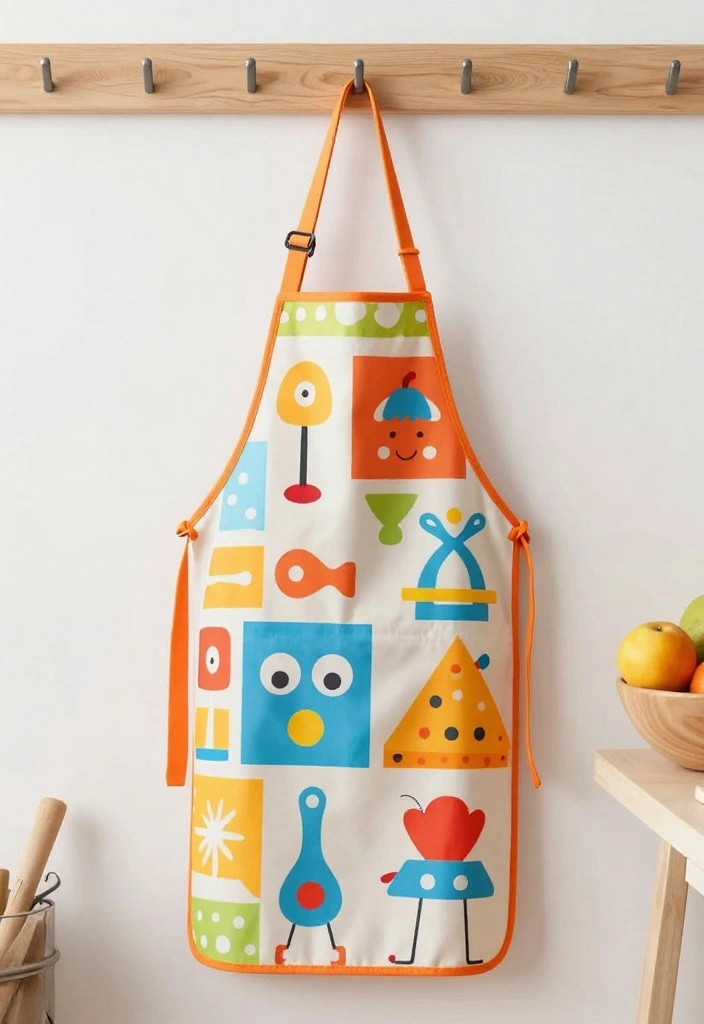
Create an adorable apron for kids that makes cooking or crafting more fun! This sewing project is perfect for introducing children to hands-on activities. Choose playful fabrics like superheroes or bright patterns that kids will love.
This simple project also teaches basic sewing skills while being practical. An adjustable tie or Velcro closure makes it easy for kids to wear.
Materials you’ll need:
– 1/2 yard of fabric
– Matching thread
– Scissors
– Sewing machine
– Pins
Here’s how to make it:
1. Cut two pieces of fabric: one for the main body (about 24″ x 18″) and one for the neck strap (about 2″ x 18″).
2. Hem the edges of the main piece and create the neck strap.
3. Sew the neck strap to the top of the apron body.
4. Add ties on the sides if desired.
5. Personalize it with pocket embellishments or fabric paint!
This cute apron will encourage kids to join in the kitchen or craft room, making learning a delightful experience!
6. Simple Quilt Squares
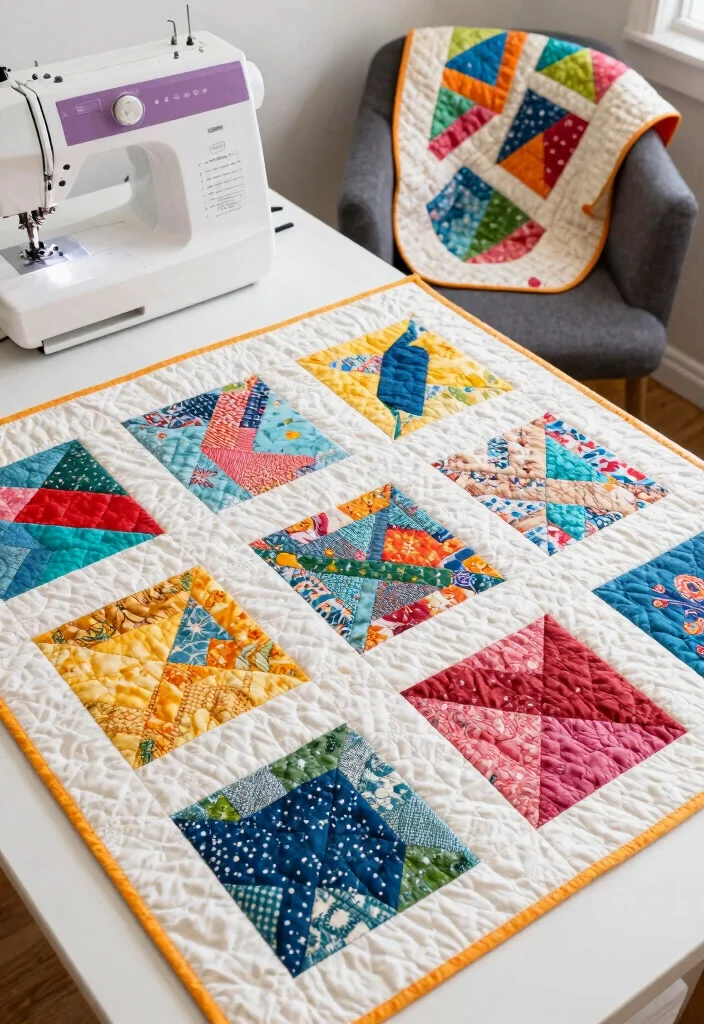
Start quilting with simple quilt squares that are perfect for beginners! This project allows you to piece together various fabrics to create beautiful gifts or cozy blankets. It’s a great way to practice sewing straight lines and matching patterns.
As you gain confidence, explore different designs and themes for your quilt squares. A rotary cutter and cutting mat will help you achieve precise cuts.
Gather these materials:
– Fabric in various patterns/colors (1/4 yard each)
– Matching thread
– Scissors
– Sewing machine
– Pins
Steps to create quilt squares:
1. Cut fabric into squares (e.g., 6″ x 6″).
2. Arrange your squares in a pattern you like.
3. Pin the squares together in rows, sewing each row with a 1/4 inch seam allowance.
4. Join the rows together to complete the quilt top.
5. Layer with batting and backing fabric, and sew edges. Finish by quilting the layers together.
Your handmade quilt will be perfect for snuggling on chilly nights!
Simple Quilt Squares
Editor’s Choice



📹 Related Video: Make a Super Simple Squares Quilt with Jenny Doan of Missouri Star! (Video Tutorial)
You might also like


7. Reusable Snack Bags

Reduce waste with practical and stylish reusable snack bags! This eco-friendly project is easy for beginners and perfect for kids’ lunches or on-the-go snacks. Choose fun fabrics that make packing lunch enjoyable.
Opt for waterproof fabric for easy cleaning and added durability. You’ll love how quickly you can whip up a batch of these bags!
What you need:
– Fabric (cotton or PUL)
– Velcro or snaps
– Matching thread
– Scissors
– Sewing machine
– Pins
Follow these simple steps:
1. Cut two pieces of fabric, each 8″ x 10″.
2. Place the fabric pieces right sides together and sew around the edges, leaving a small opening for turning.
3. Turn the bag right-side out and press it flat.
4. Sew the opening closed and add Velcro or snaps to close the bag.
5. Enjoy your new reusable snack bags!
These bags are a fantastic way to contribute to a healthier planet while showcasing your sewing skills.
Did you know a batch of reusable snack bags can cut daily waste by up to 80%? For beginner sewing, they’re quick to whip up, budget-friendly, and kid-friendly for lunches. Plus, waterproof fabrics make cleanup a breeze.
8. Simple Coasters
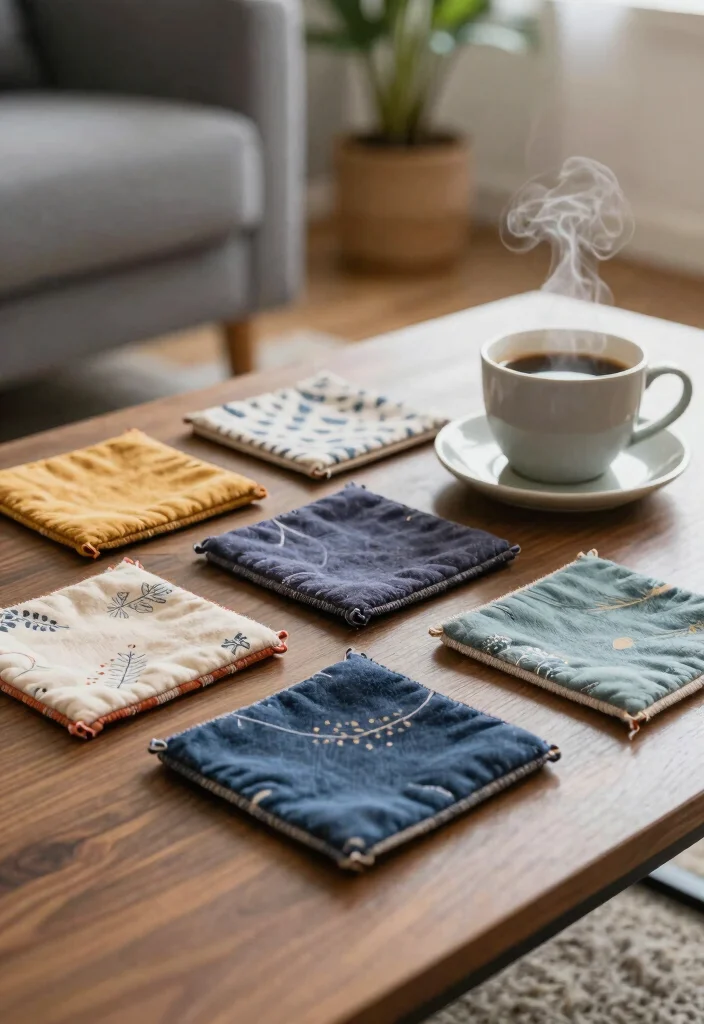
Add a unique touch to your home with handmade coasters! This beginner sewing project is quick and provides endless opportunities for creativity with fabric choices. Making coasters is a great way to practice sewing layers together, and they make lovely gifts too!
Customize them with fabrics that match your decor or seasonal themes. Consider using thick fabric or adding batting for extra absorption.
Ingredients needed:
– 4 squares of fabric (any size you prefer, like 4″ x 4″)
– Matching thread
– Scissors
– Sewing machine
– Pins
Here’s how to make them:
1. Cut four squares of fabric for each coaster.
2. Place two squares together with right sides facing.
3. Sew around the edges, leaving a small opening for turning.
4. Turn the coaster right side out and press.
5. Topstitch around the edges for a finished look.
Enjoy your beautiful coasters while protecting your furniture!
9. DIY Face Masks
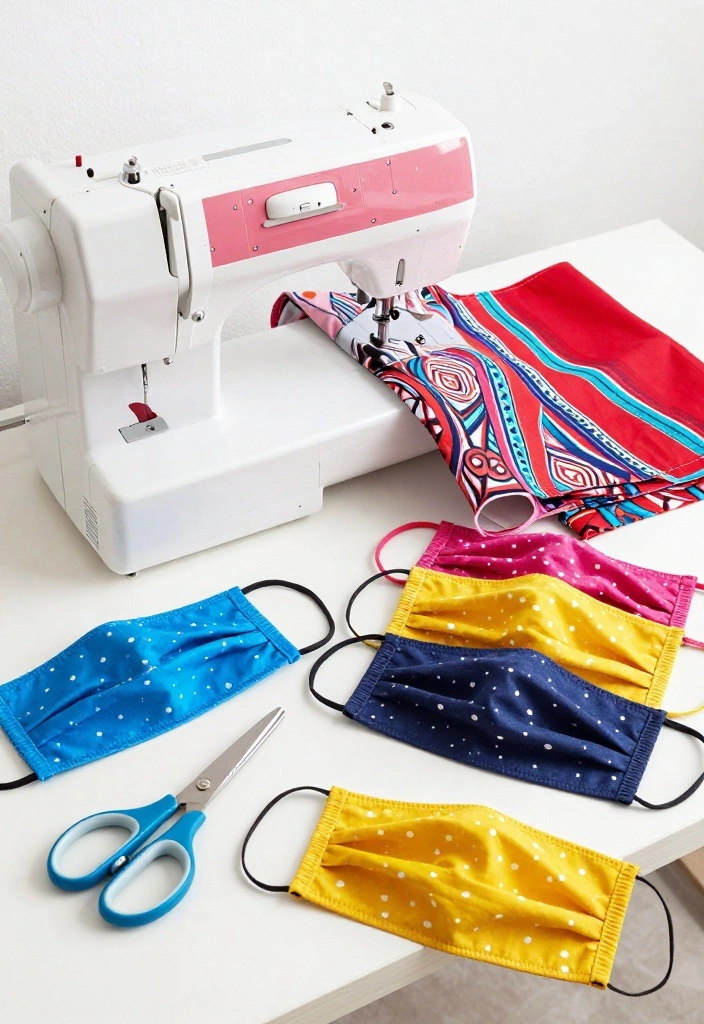
In today’s world, crafting your own face masks can be both practical and stylish! Making your own allows you to choose fun fabrics that reflect your personality while also practicing basic sewing skills. You can create various sizes and designs for comfort and style.
Opt for breathable fabrics and consider adding a pocket for a filter to enhance protection. This project not only keeps you safe but also lets you express individuality.
Ingredients you’ll need:
– Fabric (cotton works well)
– Elastic
– Matching thread
– Scissors
– Sewing machine
– Pins
Follow these steps:
1. Cut two pieces of fabric, approximately 9″ x 6″.
2. Pin the fabric right sides together and sew around the edges, leaving an opening.
3. Turn the mask right-side out and press flat.
4. Cut two pieces of elastic and attach them to each side of the mask.
5. Sew any openings closed and you’re ready to wear your fashionable face mask!
Make a few in different fabrics for a fun twist on this essential accessory.
10. Cute Keychains

Sewing cute keychains is a delightful way to personalize your everyday essentials! This versatile project allows you to use leftover fabric scraps while creating unique shapes. Plus, keychains make thoughtful gifts for friends and family.
Choose whimsical designs that reflect your style, such as animals or fun shapes. Add a keyring or clip for functionality and consider stuffing them for a plush effect.
Ingredients needed:
– Fabric scraps
– Matching thread
– Scissors
– Sewing machine
– Pins
– Keyring or clip
Steps to create your keychains:
1. Cut two identical shapes from your fabric (like a heart or star).
2. Pin the pieces together with right sides facing.
3. Sew around the edges, leaving a small gap for turning.
4. Turn the shape right-side out, stuff if desired, and sew the opening closed.
5. Attach your keyring or clip.
These adorable keychains will add a cheerful touch to your bags or make a thoughtful gift!
You Might Also Like

11. Hand Warmers
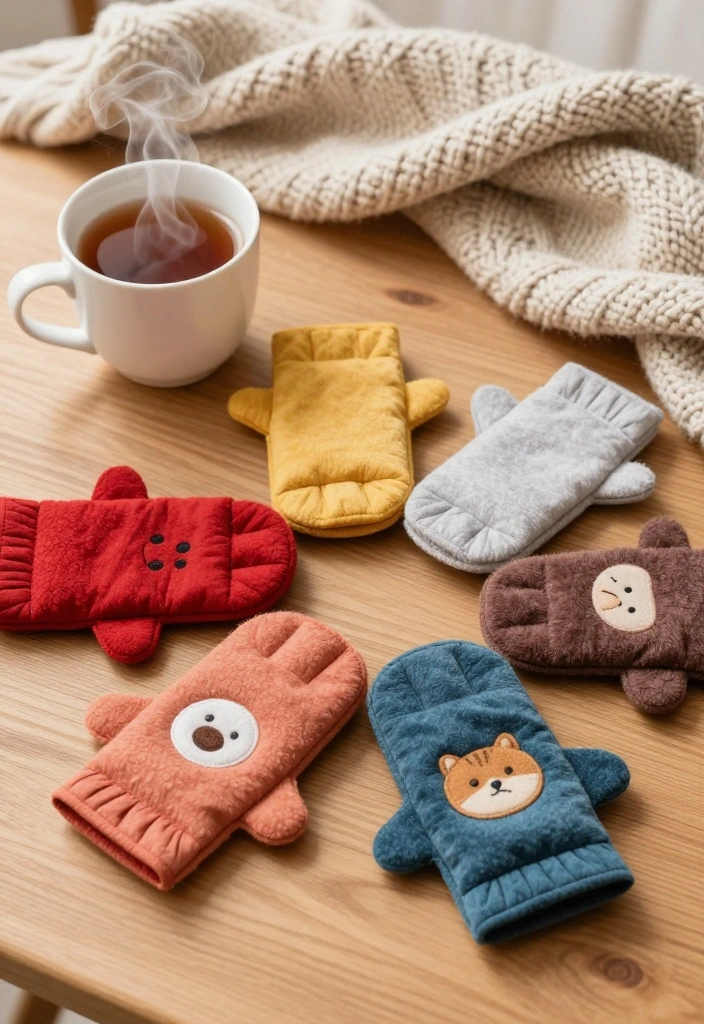
Hand warmers are a simple yet delightful sewing project perfect for chilly days! Making your own allows you to customize the fabric and filling, providing cozy comfort in a cute package. These can be heated in the microwave, offering warmth during winter.
This project is a great way to practice sewing small items while creating something useful for yourself or as a thoughtful gift. Consider using soft fabric and adding scents like lavender for an extra soothing touch.
Gather these materials:
– Fabric (cotton)
– Rice or dried beans for filling
– Matching thread
– Scissors
– Sewing machine
– Pins
Steps to create hand warmers:
1. Cut two rectangles of fabric (about 4″ x 6″).
2. Pin the rectangles together with right sides facing.
3. Sew around the edges, leaving a small opening for filling.
4. Turn the warmer right-side out, fill with rice or beans, and sew the opening closed.
5. To use, heat in the microwave for a few seconds!
Enjoy the warmth and comfort of your handmade hand warmers!
Beginner sewing shines with hand warmers: pick soft fabric, fill with rice or flaxseed, and stitch a simple envelope. Microwave for instant warmth, and add lavender for a soothing scent. A tiny project that teaches precision and delivers cozy, gift-ready results.
Hand Warmers
Editor’s Choice


12. Travel Bag Tags

Personalize your luggage with handmade travel bag tags! This quick and easy sewing project is both practical and fun. Creating your own bag tags lets you showcase your style while ensuring your luggage stands out at the airport.
Use various fabrics and consider adding your name or initials for a special touch. Adding a plastic cover can protect your information, making them durable and functional.
What you need:
– Fabric scraps
– Clear vinyl or plastic (optional)
– Matching thread
– Scissors
– Sewing machine
– Pins
Follow these steps to create your tags:
1. Cut two rectangles of fabric (around 3″ x 5″).
2. Pin the pieces right sides together and sew around the edges, leaving an opening.
3. Turn right-side out and press flat.
4. If using, insert a piece of clear vinyl inside to protect your information.
5. Sew the opening closed. Attach to your luggage with string or a clip.
These personalized bag tags are a fantastic finishing touch for your travel gear!
Travel Bag Tags
Editor’s Choice


Conclusion

Embarking on your sewing journey can be an incredibly rewarding experience!
With these twelve beginner sewing projects, you can build your skills while creating beautiful, practical items that reflect your personality.
Each project inspires creativity and fun, making crafting a delightful way to spend your time.
So grab your sewing machine, pick a project, and let your creativity flow!
Note: We aim to provide accurate product links, but some may occasionally expire or become unavailable. If this happens, please search directly on Amazon for the product or a suitable alternative.
This post contains Amazon affiliate links, meaning we may earn a small commission if you purchase through our links, at no extra cost to you.
Frequently Asked Questions
What Are the Best Beginner Sewing Projects to Start With from This Article?
Starting strong with the simplest projects sets you up for success in beginner sewing.
Look for items labeled as easy projects on the list, like a fabric coaster, a zipper pouch, or a simple tote bag. These builds teach the basics: straight seams, corners, hems, and turning fabric right side out—without getting overwhelmed. Tips: practice on scrap fabric first, sew slowly with a consistent stitch length, and backstitch at the start and end. Before you begin each project, gather a basic starter kit and cut fabric with care. Celebrate every finished piece—each project fuels your love for crafting.
What Essential Supplies Do I Need for Beginner Sewing and Easy Projects?
Here’s a practical starter kit for beginner sewing and easy projects.
Essentials: a dependable sewing machine or a basic hand-sewing kit, a few spools of all-purpose thread, sharp fabric scissors, pins and a pincushion, a fabric measuring tape, a seam ripper, and a clear ruler. Fabrics labeled easy to sew (like cotton or canvas) are ideal for first projects like coasters, pouches, and totes.
Pressing matters too—include an iron and ironing board to press seams as you go. With these supplies, you’re equipped to start several beginner sewing projects from the article.
How Can I Stay Motivated While Learning Beginner Sewing and Completing Easy Projects?
Staying motivated is easier when progress is visible. Set small, achievable goals for each session and celebrate the first finish. Rotate between easy projects to keep things varied, like coasters, a zipper pouch, or a tote. Create a comfy sewing space, bookmark a couple of beginner sewing tutorials, and join a friendly online group for tips and encouragement. Remember: consistency beats perfection, and every finished project from the article helps you fall deeper in love with crafting.
What Tips Help Improve Accuracy and Neatness in Beginner Sewing?
Here are practical tips to improve accuracy in beginner sewing projects:
1) Practice on scrap fabric to test stitch length and tension. 2) Use pins or clips to hold pieces together—don’t rely on your hands alone. 3) Sew slowly with a consistent stitch length (around 2.5–3.0 mm). 4) Use a guide or a 1/4 inch foot for even seams. 5) Clip curves and notch corners for smoother edges. 6) Press each seam as you go to set it flat. 7) Backstitch at the start and end to secure threads. 8) Finish edges with a simple zigzag or overcast stitch to prevent fraying. With these habits, you’ll see neat seams and growing confidence.
How Can I Adapt These Beginner Sewing Projects for Different Fabrics or Sizes?
Adapt these beginner sewing projects to fit your fabric and size with a few smart moves:
Start with cotton or lightweight fabrics for easy handling and accurate sizing. For heavier fabrics (canvas, denim), use a stronger needle and longer stitch length. For slippery fabrics, stabilize with interfacing or stay-stitching. Always prewash fabrics to avoid shrinkage after washing. Print or choose patterns in the correct size, and test fit with muslin or scraps before cutting into your main fabric. Leave a little extra seam allowance while you’re learning, then trim back as you gain accuracy. These tweaks let you enjoy the 12 beginner sewing projects while keeping results consistent.
Related Topics
beginner sewing
easy projects
DIY crafts
quick tips
fashion accessories
home decor
simple techniques
sewing for beginners
creative hobbies
upcycled fabric
seasonal crafts
minimalist style


Did you know that sewing can actually boost your mood? It’s true! Crafting can make you feel more relaxed and happy. Have you experienced that too?