
Blog
17 Minimalist Interior Design Ideas That’ll Transform Your Space into a Tranquil Oasis!

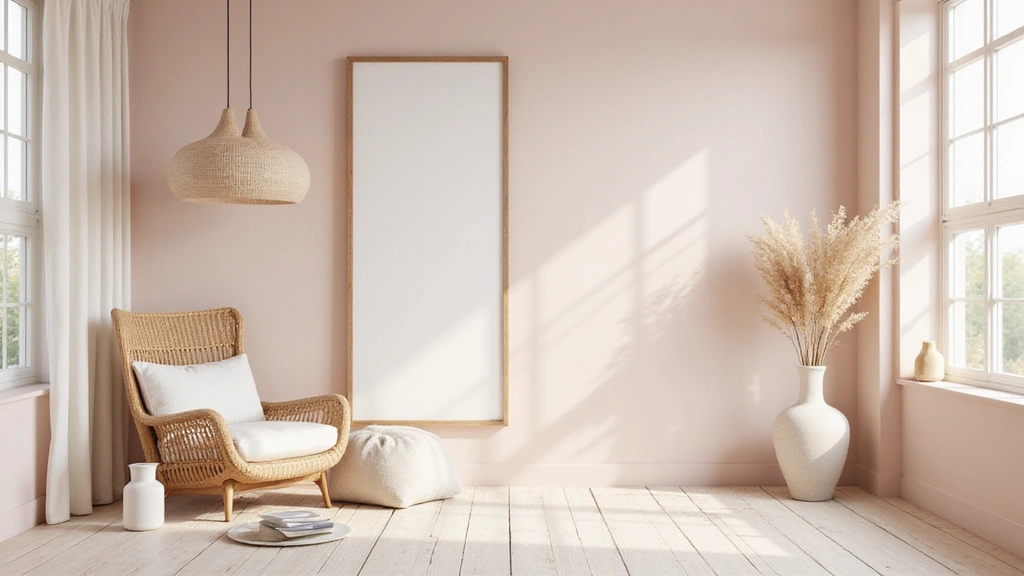
Creating a serene home environment can feel like a challenge, but embracing minimalist interior design is an effective way to achieve tranquility in your space.
Picture clean lines, soft colors, and carefully selected decor that invites peace and calm.
This guide features 17 minimalist ideas that will not only declutter your home but also enhance its overall aesthetic and atmosphere. Get ready to turn your space into a soothing oasis where every element has a purpose and resonates with serene vibes.
1. Embrace Neutral Color Palettes
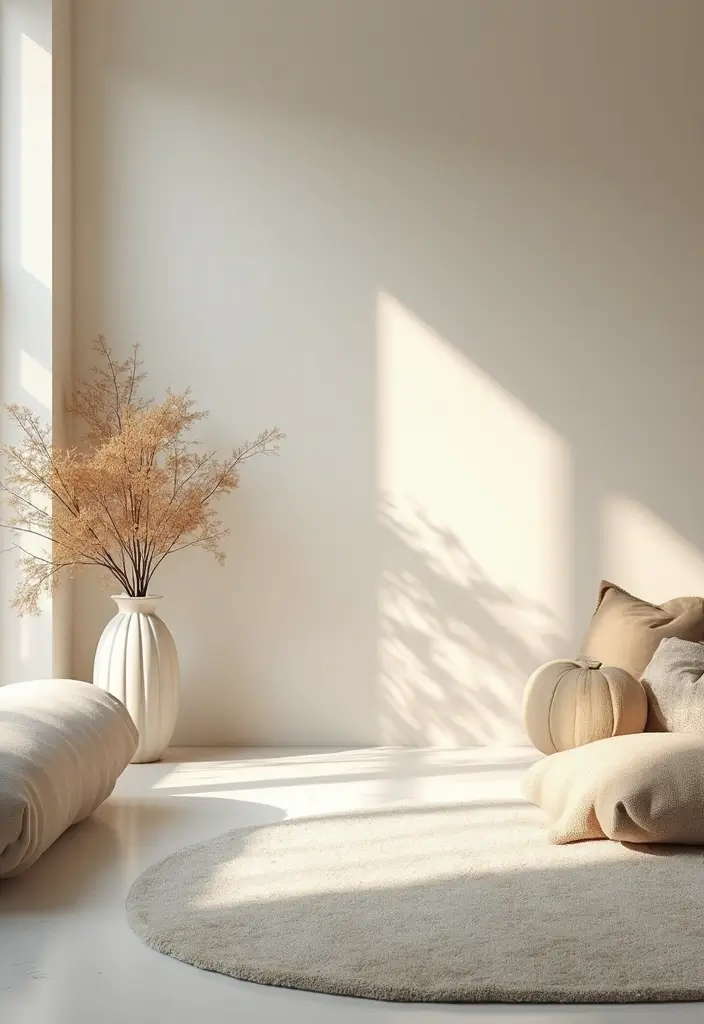
A neutral color palette lays the foundation for a minimalist home. Think soft whites, beiges, and grays that create a calming backdrop.
These colors reflect natural light beautifully and make spaces feel larger and more open.
When you choose to decorate with neutrals, keep in mind to layer textures to avoid monotony.
Examples of textures include natural wood, soft textiles, and brushed metals.
Tips for Using a Neutral Palette:
– Use varying shades of the same color for depth.
– Incorporate different materials like linen and cotton to keep it interesting.
– Add pops of greenery through plants to enliven the space.
In a neutral space, even the simplest decor can make a strong statement without overwhelming the senses.
2. Choose Functional Furniture
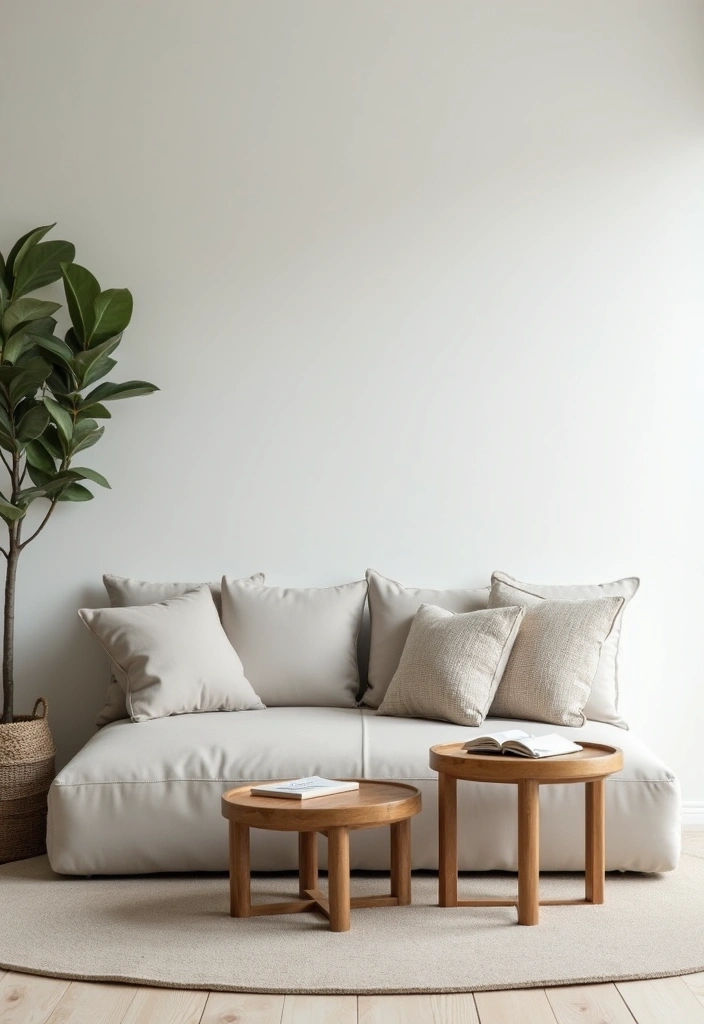
In minimalist design, every piece of furniture should serve a purpose. Opt for multifunctional items that save space and declutter your home.
For instance, a sofa bed can transform a living room into a guest room in an instant.
Consider nesting tables that can be tucked away when not in use, or storage ottomans that double as seating.
Key Considerations for Furniture:
– Pick pieces that are sleek and simple in design.
– Avoid heavy, ornate styles that weigh down a room.
– Focus on comfort without sacrificing function.
By carefully selecting your furniture, you can create a harmonious environment that emphasizes both practicality and minimalism.
3. Maximize Natural Light

Natural light is the best friend of minimalist interior design. It enhances the airy feel of a space and contributes to a tranquil atmosphere.
When designing your space, consider maximizing windows and using sheer curtains to let the sunlight in while maintaining privacy.
Reflective surfaces like mirrors can also amplify light in small areas.
Ways to Enhance Natural Light:
– Choose light-colored furnishings that reflect, rather than absorb, light.
– Limit heavy draperies in favor of light, airy fabrics.
– Place mirrors strategically to bounce light around the room.
By allowing natural light to flow freely, your home will feel brighter and more inviting, contributing to a sense of peace.
4. Incorporate Minimalist Art

Artwork can add personality to your minimalist space while still adhering to the theme of simplicity.
Choose art pieces that are large and impactful to create focal points without cluttering your walls.
Think abstract designs in monochrome tones or minimalist landscapes that evoke calmness.
How to Select Minimalist Art:
– Look for pieces that speak to you without being overly complex.
– Frame art in simple, unobtrusive frames to maintain a clean line.
– Rotate your artwork occasionally to keep your space feeling fresh.
Minimalist art helps to keep the atmosphere serene while allowing your individuality to shine through.
5. Create Cozy Nooks
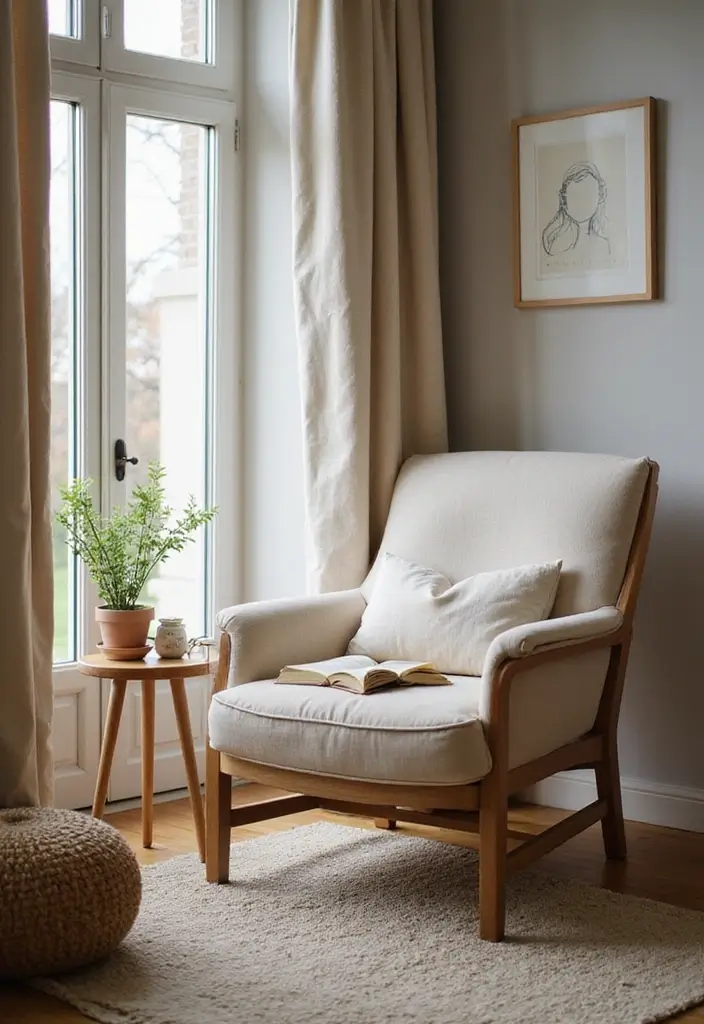
Minimalism isn’t about making your home feel cold; it’s about creating spaces that feel inviting. Cozy nooks can be the perfect spot for reading or relaxing.
Incorporate a simple armchair, a small side table, and a throw blanket into a corner of your room.
Use soft cushions to add comfort and warmth.
Tips for Creating Cozy Nooks:
– Choose a quiet corner that is naturally well-lit.
– Use soft textures to make spaces feel inviting.
– Keep decor minimal to avoid distraction, but personal enough to feel like home.
These nooks will allow you to escape from the hustle of daily life, promoting tranquility in your home.
6. Go Green with Indoor Plants

Bringing nature indoors is essential for creating a tranquil atmosphere. Indoor plants not only enhance air quality but also add a splash of life to minimalist interiors.
Select easy-to-care-for plants like succulents, snake plants, or peace lilies that require minimal maintenance.
Place them in simple pots that match your decor style.
Benefits of Indoor Plants:
– Improve air quality by filtering toxins.
– Provide a sense of calm and reduce stress.
– Add color without cluttering your space.
Incorporating greenery can turn any space into a soothing retreat, enhancing the overall aesthetic while promoting tranquility.
7. Invest in Quality over Quantity

In a minimalist home, less truly is more. Invest in high-quality items that will stand the test of time and contribute positively to your environment.
Choose durable materials like solid wood, natural fibers, or high-grade metals that are both practical and beautiful.
This approach not only reduces clutter but also creates a sense of luxury and sophistication.
Why Quality Matters:
– It leads to less waste and a more sustainable lifestyle.
– High-quality items often come with a story, adding character to your space.
– They enhance the overall aesthetic and function effectively.
Embracing quality over quantity will elevate your home while simplifying your choices.
8. Keep Decor Simple and Meaningful
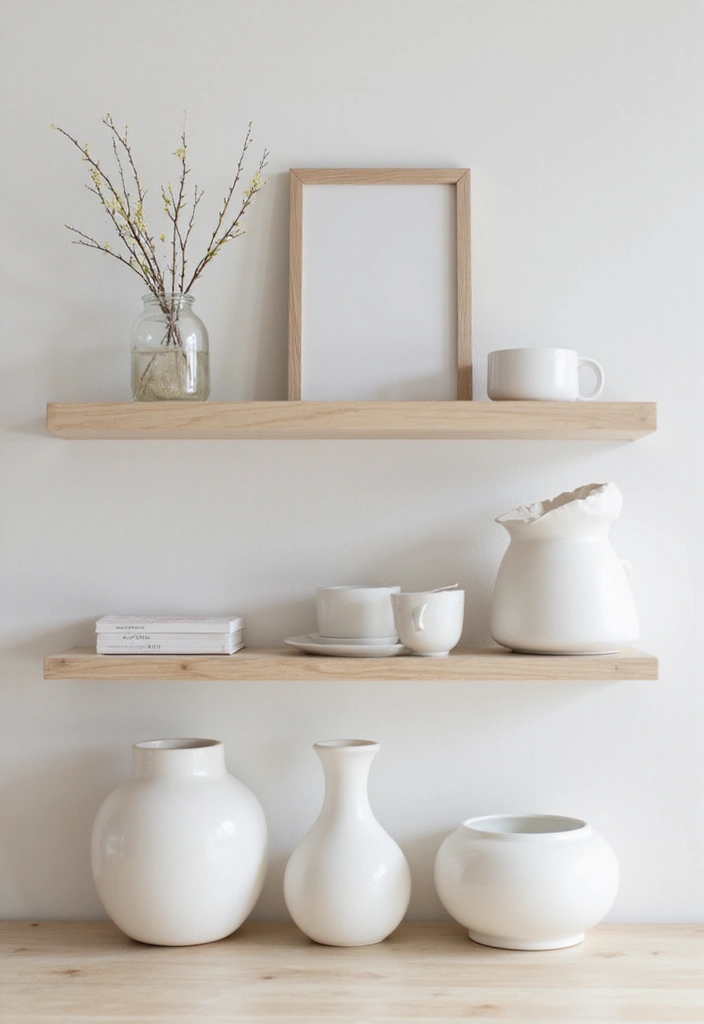
Every decor item in your home should have a purpose or tell a story. Simple and meaningful decor helps to maintain the minimalist ethos while giving your space character.
Instead of filling your shelves with random knickknacks, curate a selection of meaningful pieces.
Consider items that have personal significance or evoke pleasant memories.
Curating Your Decor:
– Limit the number of items on display to avoid visual clutter.
– Opt for statement pieces that can stand alone.
– Regularly reassess and rotate items to keep your space fresh.
Meaningful decor adds depth without overwhelming your tranquil space.
9. Use Open Shelving Wisely
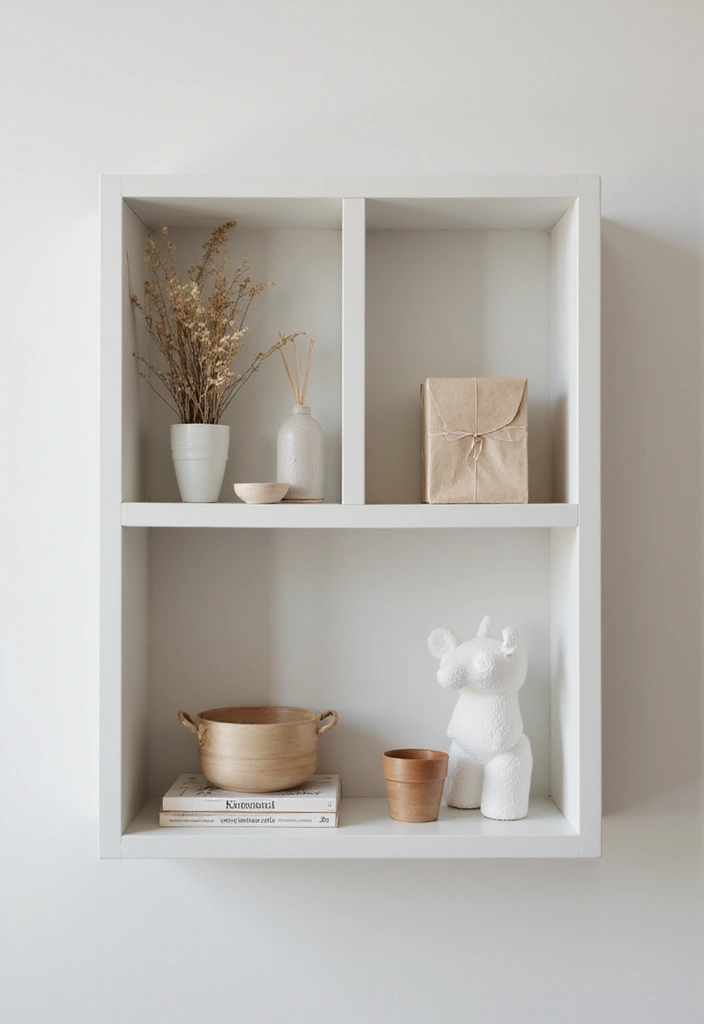
Open shelving can promote a sense of openness and airiness in a room, but it must be used wisely to avoid clutter.
Consider using open shelves in kitchens or living areas for displaying a few select items, like beautiful dishware or curated books.
Keep the arrangement simple and intentional, using color and texture to create interest without chaos.
Tips for Open Shelving:
– Group similar items for a cohesive look.
– Regularly declutter and reorganize to maintain order.
– Use baskets or boxes to conceal items that may disrupt the aesthetic.
By managing open shelving thoughtfully, you can enhance your minimalist design while keeping the space functional.
Open shelving is a dance of simplicity and style—select your pieces wisely, and let the beauty of minimalism shine through!
10. Focus on Minimal Window Treatments

Window treatments can either enhance or disrupt the serene ambiance of a minimalist space. Choose treatments that are simple and functional.
Consider sheer curtains that allow natural light to filter through while providing some privacy.
Alternatively, wooden or bamboo blinds can add warmth and texture without overwhelming the decor.
Key Considerations for Window Treatments:
– Avoid heavy drapes that can make a room feel cramped.
– Choose colors that align with your overall palette.
– Ensure easy operation for a practical approach.
Simplicity in window treatments keeps the focus on the beautiful view outside while promoting tranquility within.
Let in the light, but keep it simple! Minimal window treatments create a serene vibe, making your space feel open and inviting. Choose function over frills for a tranquil oasis!
11. Streamline Your Storage Solutions

Storage is crucial in a minimalist home. The goal is to find solutions that are both functional and aesthetically pleasing.
Opt for built-in shelving, hidden storage, or stylish storage boxes that align with your overall design.
Regularly declutter to keep only what you need and love.
Smart Storage Ideas:
– Use furniture with hidden compartments.
– Invest in modular storage that can adapt to your needs.
– Utilize vertical spaces to save floor area.
Thoughtful storage solutions will help maintain a clean and tranquil environment, allowing you to enjoy the simplicity around you.
12. Incorporate Rugs for Warmth

Rugs can add warmth and comfort to minimalist interiors while also defining spaces within an open floor plan.
Choose rugs that are simple in design, such as solid colors or subtle patterns that complement your existing color scheme.
Make sure they are large enough to anchor furniture but not so large that they overwhelm the room.
Choosing the Right Rug:
– Opt for natural materials like wool or cotton for durability.
– Consider the size and placement carefully to create balance.
– Ensure the colors harmonize with the rest of the space.
With the right rug, you can enhance comfort without sacrificing the minimalist aesthetic.
13. Create a Peaceful Bedroom Retreat

Your bedroom should be a sanctuary where you can unwind and rejuvenate. In minimalist design, focus on essential elements that promote relaxation.
Choose a simple bed frame, soft bedding in neutral tones, and minimal decorations.
Incorporate soft lighting with bedside lamps that create a soothing ambiance.
Tips for a Tranquil Bedroom:
– Keep surfaces clear of unnecessary items.
– Create calming fragrance with essential oil diffusers.
– Limit electronics to enhance a peaceful environment.
By simplifying your bedroom decor, you create a restful oasis that fosters tranquility and restorative sleep.
14. Limit Your Color Pops

While color can enhance a design, in a minimalist approach, the pops of color should be minimal and intentional. Use them to draw attention to specific areas or elements in the room.
Choose one or two accent colors that resonate with your overall palette and use them sparingly through accessories like cushions, art, or decor items.
Guidelines for Color Usage:
– Limit the number of accent colors to maintain harmony.
– Ensure that the colors complement each other well.
– Use accents to highlight features rather than overpower the space.
Keeping color pops sectioned and intentional can help you maintain a serene environment that still feels vibrant and alive.
Less is more when it comes to color in minimalist interior design. Choose just one or two accent colors to create a calming oasis that invites tranquility into your space!
15. Utilize Lighting Fixtures for Aesthetic Appeal
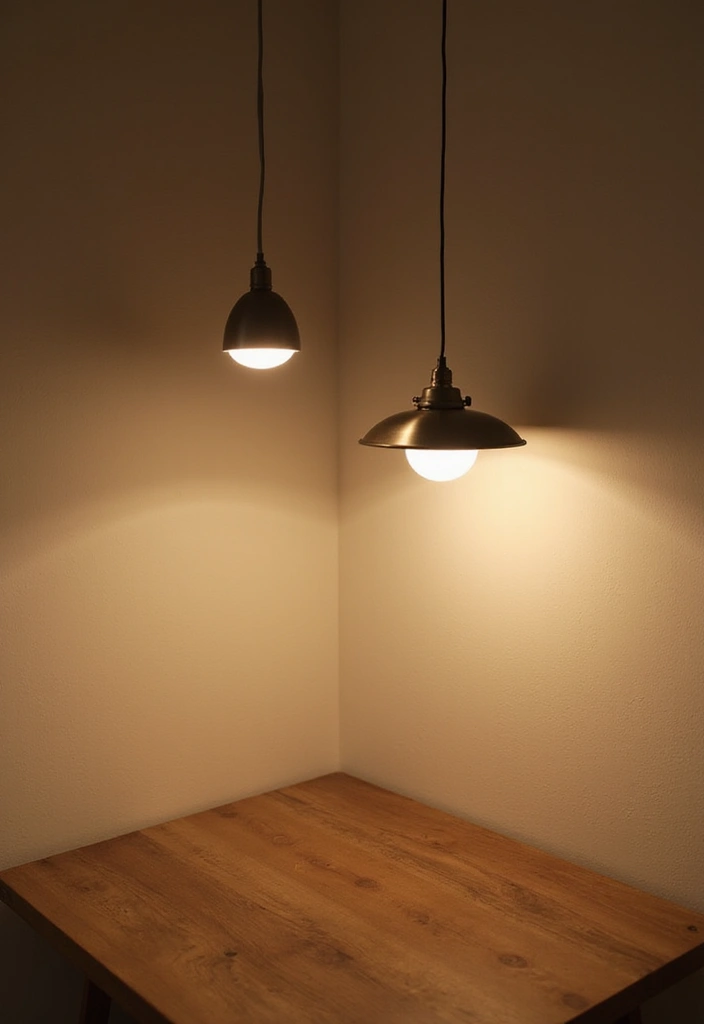
Quality lighting can elevate your minimalist home, helping to create a welcoming atmosphere. Select fixtures that are stylish yet understated.
Consider pendant lights, floor lamps, or wall sconces that blend seamlessly with your decor.
Use dimmable options to adjust the mood according to the time of day or activity.
Lighting Tips:
– Layer your lighting with ambient, task, and accent sources.
– Choose warm light bulbs for a cozy feel.
– Ensure fixtures match the overall minimalist theme.
Thoughtful lighting can significantly enhance the tranquility of your space, making it welcoming and warm.
16. Maintain a Zen Atmosphere
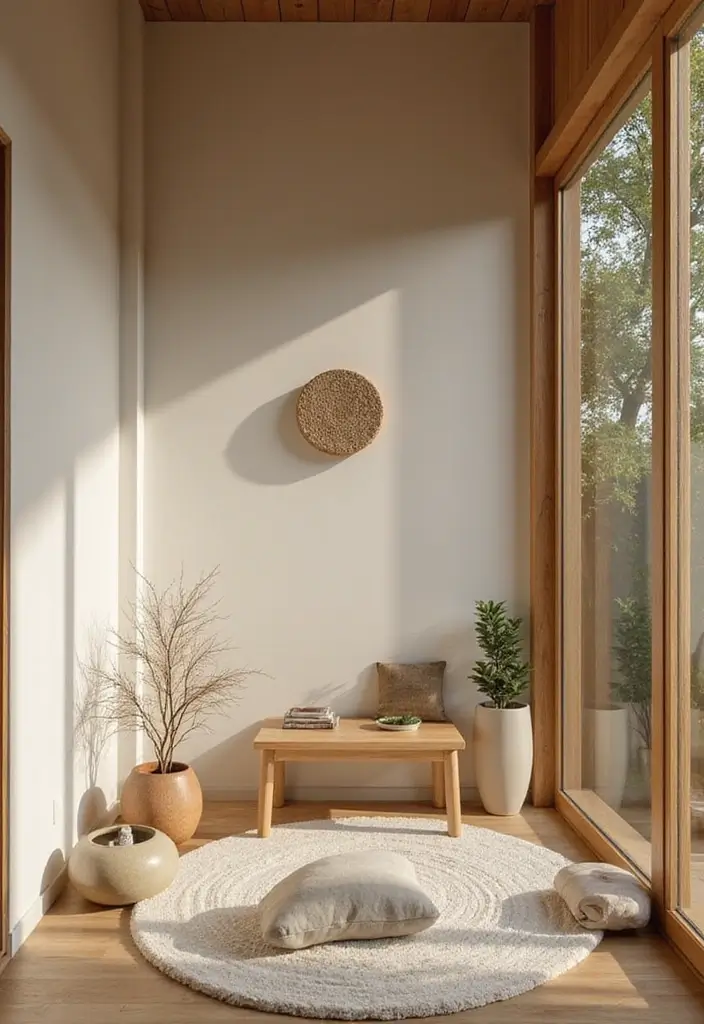
To achieve a truly tranquil oasis, focus on creating a Zen-like atmosphere in your home. This means incorporating elements that enhance your peace of mind.
Use soft tones, calming scents, and water features like a small fountain or even an aquarium to promote relaxation.
Incorporate items like meditation cushions or yoga mats to encourage mindfulness practices.
Creating a Zen Space:
– Use natural elements such as wood and stone.
– Ensure that your space feels uncluttered and open.
– Incorporate gentle music or nature sounds to enhance tranquility.
By prioritizing a Zen atmosphere, you not only transform your space but also your state of mind.
17. Regularly Reassess Your Space

Minimalism is a continuous journey. Regularly reassess your space to ensure it aligns with your lifestyle and values.
Consider seasonal decluttering, replacing items that no longer serve you or resonate with your peace-oriented goals.
This will help keep your home feeling fresh and manageable.
Strategies for Regular Assessment:
– Schedule time each month to evaluate your decor and furniture.
– Involve family members in this process to promote collaboration.
– Stay disciplined in adhering to the one-in, one-out rule to keep clutter at bay.
By continuously evaluating your space, you strengthen the essence of tranquility in your home.
Regularly reassessing your space is key to embracing minimalist interior design. A fresh perspective keeps your home aligned with your values and brings tranquility into your everyday life.
Conclusion

Transforming your home into a tranquil oasis through minimalist interior design is not only achievable but also incredibly rewarding.
By focusing on simplicity, functionality, and intentional decor, you’ll create a space that resonates harmony and peace.
Consider implementing these ideas gradually and enjoy your journey to a beautifully serene home.
Frequently Asked Questions
What are the key principles of minimalist interior design?
The key principles of minimalist interior design include simplicity, functionality, and intentional decor. Emphasizing clean lines, neutral color palettes, and decluttered spaces helps create a serene environment that promotes tranquility and calmness in your home.
Every item should have a purpose, and the design should focus on enhancing natural light and maximizing open space.
How can I effectively declutter my home for a minimalist look?
To achieve a minimalist look, start by assessing your belongings and asking yourself what you truly need. Use the one-year rule: if you haven’t used it in the last year, consider donating or discarding it. Organize items into categories and tackle one room at a time to avoid feeling overwhelmed. Emphasizing functional furniture and streamlined storage solutions will help keep your space tidy and decluttered, enhancing the overall aesthetic.
What colors are best for creating a tranquil minimalist space?
For a tranquil minimalist space, focus on a neutral color palette. Soft whites, beiges, and light grays create a soothing backdrop that enhances natural light. You can incorporate subtle pops of color through decor items, but keep them minimal and intentional to maintain the calm and tranquil atmosphere characteristic of minimalist design.
Remember, the goal is to create a serene environment that feels open and airy.
How do I choose the right furniture for a minimalist home?
When selecting furniture for a minimalist home, prioritize functionality and quality over quantity. Look for multifunctional pieces that serve more than one purpose, such as storage ottomans or sofa beds. Choose furniture that complements the clean lines and simple aesthetic of your space, ensuring it doesn’t overwhelm the room. Opt for durable materials that will stand the test of time, contributing to a lasting minimalist design.
Can I incorporate personal touches in a minimalist design?
Absolutely! You can still showcase your personality in a minimalist design by selecting meaningful decor that tells a story. Choose a few impactful art pieces or personal items that resonate with you and contribute to the overall theme without cluttering the space. Keeping decor simple and intentional allows you to maintain the minimalist ethos while still reflecting your unique style and creating a tranquil oasis in your home.


I love these minimalist ideas! I’ve always thought less is more, especially when my cat decides to turn my living room into her playground. What’s your favorite tip for keeping things tidy?
These designs are so calming! I tried a minimalist approach at home, but my plants seem to be auditioning for a jungle movie. Why do they always grow like they own the place?
These tips are so inspiring! I remember when I decided to declutter my room, and I found a pair of socks I lost three years ago. It felt like a mini treasure hunt!